The Data BehindInsulation Choices
Before we ever talk about a project, it helps to know what the research actually says. These pages summarize published, third-party data from the U.S. Department of Energy, EPA ENERGY STAR, Oak Ridge National Laboratory, and manufacturer technical bulletins on how spray foam, fiberglass, and cellulose actually perform, especially in a cold climate like Minnesota's.
A note on what this section is: these are research summaries with public, cited sources, not write-ups of Trust Works jobs. Every number links back to where it came from. We are building a separate section for real Trust Works client projects as they are completed; see the preview below.
How the materials actually compare.
This is a general industry reference table, not a Trust Works price list. R-values are per inch of installed thickness; air seal and moisture control describe the material itself, not a specific installation. Your actual project depends on the assembly, climate exposure, and what an on-site estimate finds.
| Material | R-Value / Inch | Air Seal | Moisture Control | Typical Lifespan | Relative Cost |
|---|---|---|---|---|---|
| Closed-Cell Spray Foam | R6.0 to R6.5 | An air barrier on its own at roughly 1 inch or more | Class II vapor retarder at 1 to 2 inches thick | Life of the structure when properly installed | Highest |
| Open-Cell Spray Foam | R3.5 to R3.6 | Strong air barrier at a sufficient thickness | Class III only, needs an added vapor retarder in cold climates | Life of the structure when properly installed | High |
| Fiberglass Batt | R3.1 to R3.7 | None, batts do not stop air movement through or around them | No vapor control function | Can settle, sag, or compress over decades | Lowest |
| Blown Fiberglass | R2.2 to R2.8 | None on its own | No vapor control function | Can settle over time, reducing effective R-value | Low |
| Blown Cellulose | About R3.7 | Partial, a dense pack slows some airflow but is not an air barrier | Absorbs and holds moisture if it gets wet | Can settle 15 to 20 percent over time | Low to Moderate |
Sources: U.S. DOE, Guide to Home Insulation (DOE/EE-0340, 2010), Oncor Electric Delivery, Insulation R-Values per Inch (sourced to DOE.gov), ORNL/TM-2011/437, Spray Foam in Accessible Spaces (Christian & Gant, Oct. 2011), Huntsman Building Solutions, BES-102 Design Note: Vapor Retarders and Vapor Permeance
Recent projects.
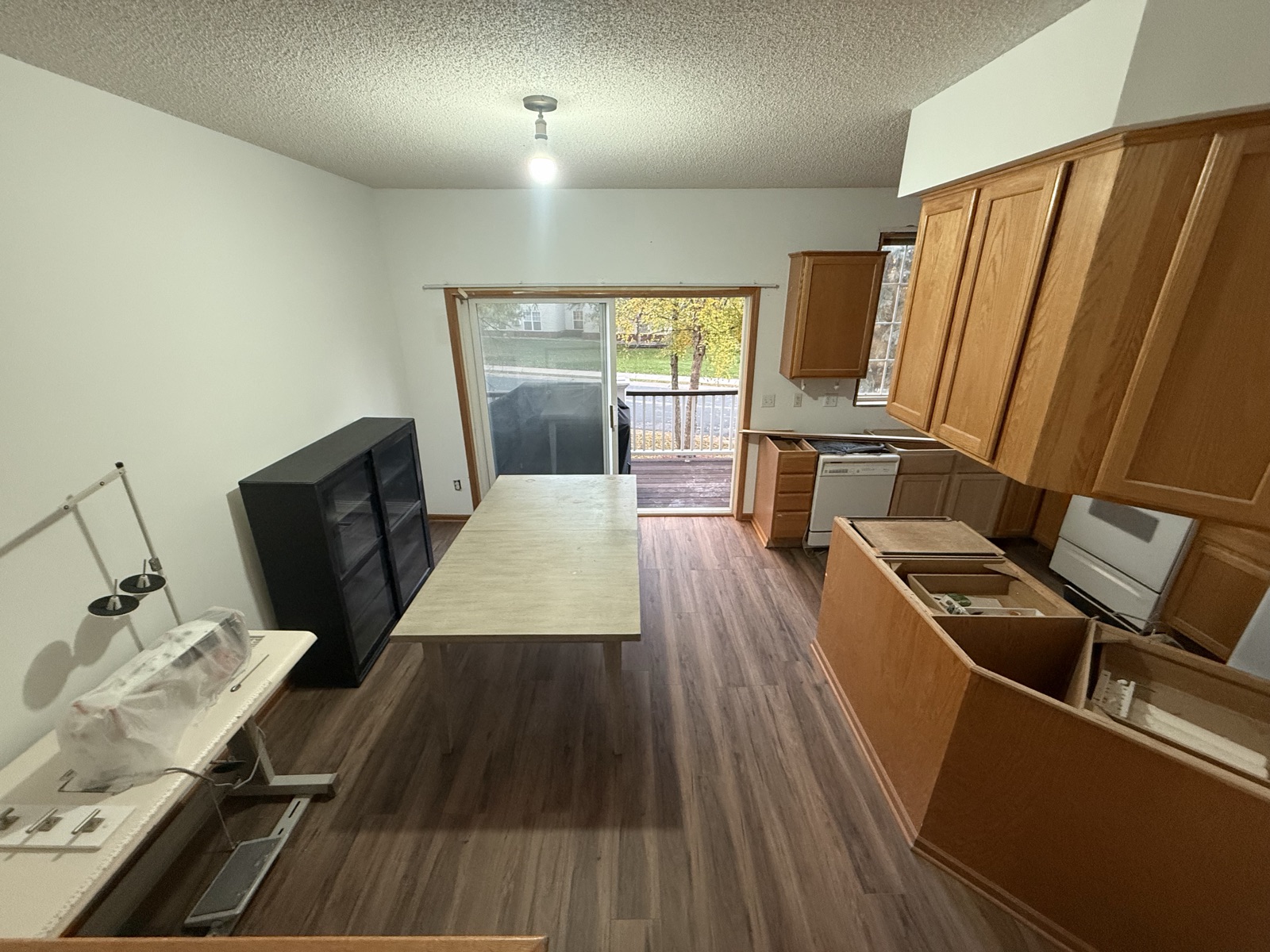
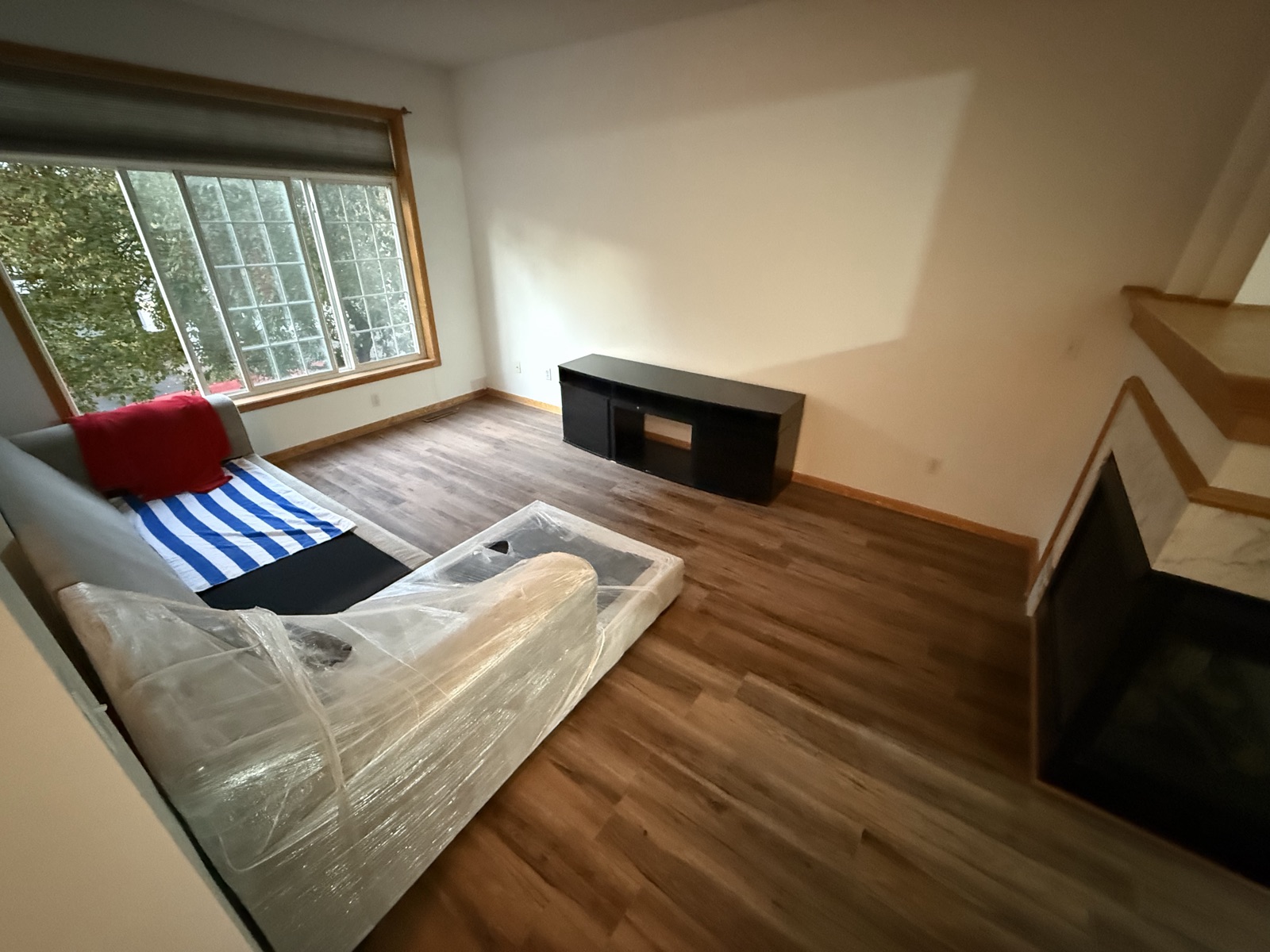
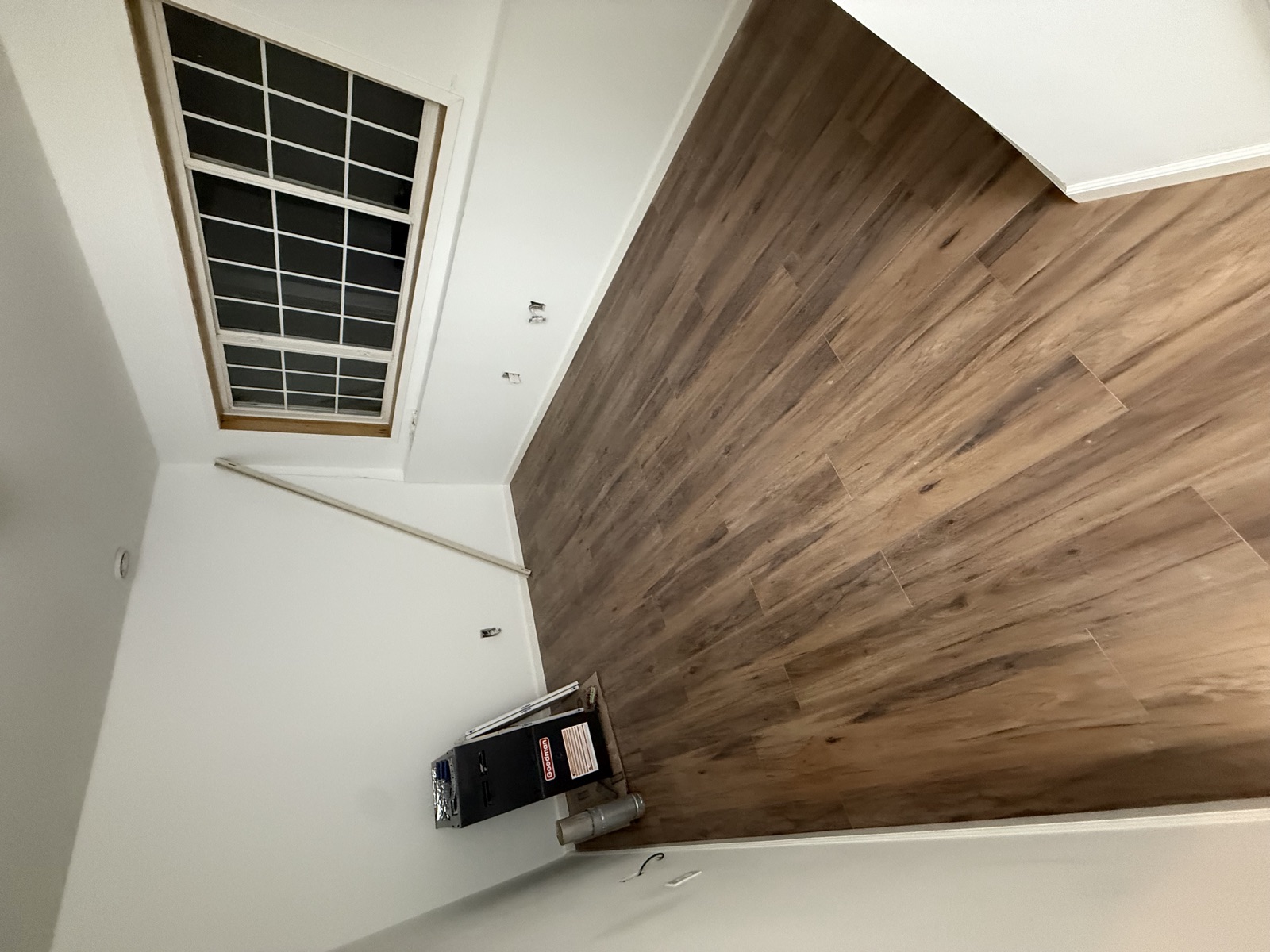
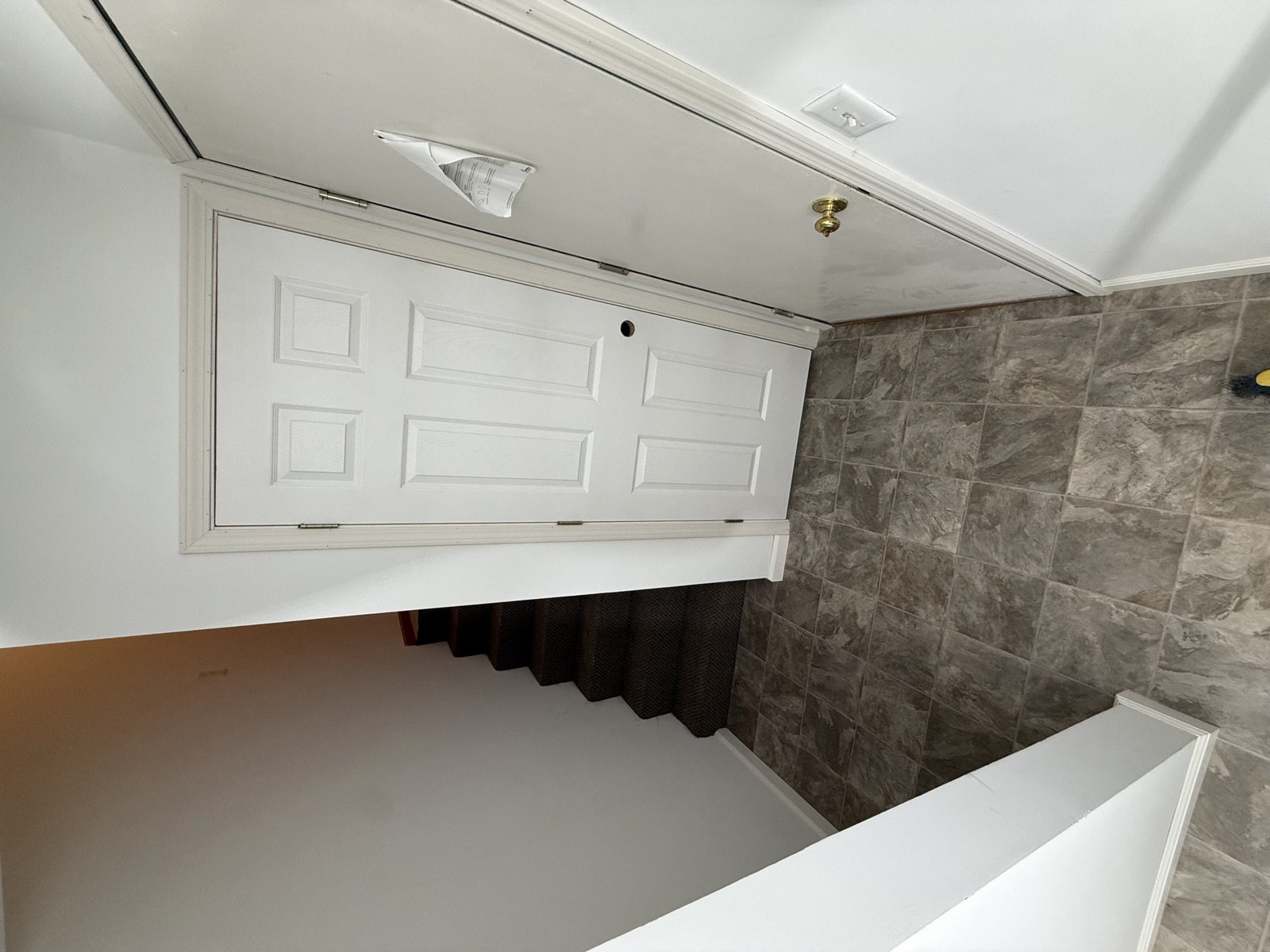
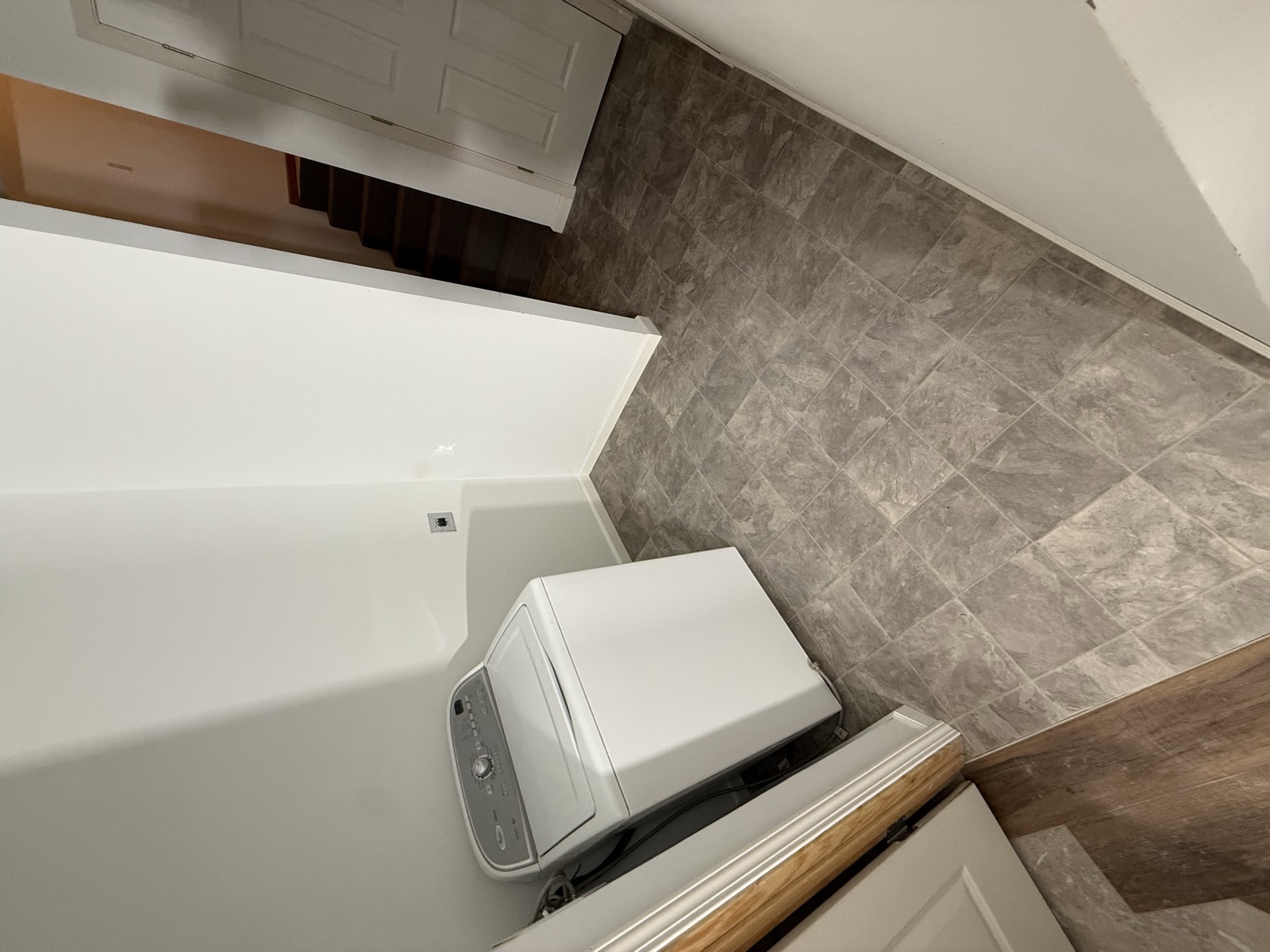
The research above is the industry at large. This is our own work: remodels, roofing, siding, new construction, spray foam, and storm repair from across Minnesota.
See what the data means for your house.
Get a free, no-pressure written estimate, or run the numbers yourself with our instant estimator.